
WIDEIKIS, BENEDICT & BERNTSSON, LLC
THE BIG W LAW FIRM
ATTORNEYS AT LAW
THE BIG W LAW FIRM
ATTORNEYS AT LAW

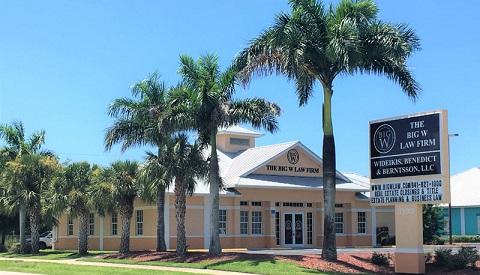
Title Insurance: Almost all real estate transactions are closed with the buyer and lender obtaining title insurance. In fact, institutional lenders typically require title insurance as a prerequisite for closing a loan transaction, and every form real estate contract contains provisions requiring and discussing title insurance terms and conditions. The purpose of title insurance is to protect the buyer and its lender against loss from defective titles, liens, and other encumbrances, and guarantying that the Seller has marketable title to convey to the Buyer. WIDEIKIS, BENEDICT & BERNTSSON, LLC, THE BIG W LAW FIRM charges the minimum promulgated risk rate (lowest rate allowed by law) for the title insurance policies it issues. WIDEIKIS, BENEDICT & BERNTSSON, LLC, THE BIG W LAW FIRM believes that its closing rates as set forth under our Commercial and Residential Real Estate Closing practice areas are competitive if not lower than any title company or other law firm in the area. WIDEIKIS, BENEDICT & BERNTSSON, LLC, THE BIG W LAW FIRM is an agent with the following title underwriters: First American Title Insurance Corporation, Fidelity National Title, Inc., Chicago Title, Inc., Stewart Title, Inc., Commonwealth Title Insurance Corporation, and Old Republic Title Insurance, Inc.
Commercial and Residential Real Estate Closings: WIDEIKIS, BENEDICT & BERNTSSON, LLC, THE BIG W LAW FIRM is regularly recognized by its underwriters as one of the leading title agents in Southwest Florida. WIDEIKIS, BENEDICT & BERNTSSON, LLC, THE BIG W LAW FIRM charges fees and costs that are competitive with, or less expensive than, the fees and costs charged by local title companies. The attorney provided real estate closing at the aforementioned very reasonable price includes the following:
WIDEIKIS, BENEDICT & BERNTSSON, LLC, THE BIG W LAW FIRM can cure most title defects found in title searches for a very reasonable fee to expedite the closing. This is a service most title insurance companies cannot offer since an attorney is not involved.
Complex Commercial Real Property: WIDEIKIS, BENEDICT & BERNTSSON, LLC, THE BIG W LAW FIRM has been on the lender side and the developer side of numerous commercial real property transactions in Southwest Florida. Over the past twenty (20) years, WIDEIKIS, BENEDICT & BERNTSSON, LLC, THE BIG W LAW FIRM has been right in the middle of the development of Englewood, Port Charlotte, Punta Gorda, Charlotte County, DeSoto County, and the City of North Port, and has been instrumental in obtaining related government approvals, development agreements, leases, creating property owners associations, and creating condominiums. WIDEIKIS, BENEDICT & BERNTSSON, LLC, THE BIG W LAW FIRM'S familiarity with Englewood, Port Charlotte, North Port, Punta Gorda, and Southwest Florida development, and experience in complex transactions makes it the law firm of choice for developers and lenders in this area.
TRID Compliant Lender Financed Closings and Refinances: WIDEIKIS, BENEDICT & BERNTSSON, LLC, THE BIG W LAW FIRM will be welcomed by all lenders to close transactions in compliance with TRID. WIDEIKIS, BENEDICT & BERNTSSON, LLC, THE BIG W LAW FIRM has undergone an extremely lengthy and thorough process to be certified as ALTA Best Practice Compliant under all ALTA Best Practice Pillars by Security Compliance Consultants, the independent third party security firm that has been instrumental in working with many large institutional lenders in their development of best practice requirements. WIDEIKIS, BENEDICT & BERNTSSON, LLC, THE BIG W LAW FIRM continues to charge extremely reasonable rates to close lender financed transactions in compliance with all TRID regulations. Please feel free to contact WIDEIKIS, BENEDICT & BERNTSSON, LLC, THE BIG W LAW FIRM for a closing cost quote.
Commercial Loan Transactions: See Lender and Bank Representation.
Lender and Bank Representation: WIDEIKIS, BENEDICT & BERNTSSON, LLC, THE BIG W LAW FIRM represents numerous institutional and private lenders. This representation is inclusive of documenting the most basic seller financed transaction to the most complicated new commercial development loan transaction and everything in between (hotels, marinas, commercial and residential condominiums, excavations, strip centers, etc.). WIDEIKIS, BENEDICT & BERNTSSON, LLC, THE BIG W LAW FIRM has completed numerous foreclosures upon the loan documentation it has drafted with great success.
1031 Exchanges: WIDEIKIS, BENEDICT & BERNTSSON, LLC, THE BIG W LAW FIRM has worked with many sellers, buyers, and 1031 exchange companies to facilitate and close 1031 tax free exchanges over the years. WIDEIKIS, BENEDICT & BERNTSSON, LLC, THE BIG W LAW FIRM lawyers can represent you in a 1031 exchange transaction for a low flat fee.
Condominium Law: WIDEIKIS, BENEDICT & BERNTSSON, LLC, THE BIG W LAW FIRM has assisted numerous developers from the initial stages of acquisition and entitlement of real property all the way through the creation and sales of units in commercial and residential condominiums in Englewood, Port Charlotte, North Port, Punta Gorda, and throughout Southwest Florida. WIDEIKIS, BENEDICT & BERNTSSON, LLC, THE BIG W LAW FIRM prepares all the documents a developer needs to create, manage and sell the condominium, including purchase and sale agreements, and obtains State approvals when necessary.
Association Creation and Representation: WIDEIKIS, BENEDICT & BERNTSSON, LLC, THE BIG W LAW FIRM has created and represented Homeowner's Associations, Property Owner's Associations, Condominium Associations, Master Associations and numerous other types of associations over its twenty (20) plus year existence in Southwest Florida and knows the ins and outs of Association law. WIDEIKIS, BENEDICT & BERNTSSON, LLC, THE BIG W LAW FIRM has been on the cutting edge of Association representation, including through the great recession which required countless foreclosures, and has assisted many associations in obtaining past due assessments.
Evictions: WIDEIKIS, BENEDICT & BERNTSSON, LLC, THE BIG W LAW FIRM has a long standing history of assisting the Landlord in its rental relationships from lease preparation to eviction proceedings. WIDEIKIS, BENEDICT & BERNTSSON, LLC, THE BIG W LAW FIRM handles both residential and commercial evictions. BIGW can assist the Landlord in tenant removal and damage lawsuits should the situation so require, or can assist in lease renegotiations when desirable.
Loan Workouts/Loan Modifications: WIDEIKIS, BENEDICT & BERNTSSON, LLC, THE BIG W LAW FIRM represents numerous institutional and private lenders assisting them in loan workouts and loan modifications. This representation includes modifying loans, preparing forbearance agreements, and assisting lenders through the pitfalls of deeds in lieu of foreclosure, spreader agreements, note modifications, and the most complicated of loan documentation.
Mortgage Foreclosure: WIDEIKIS, BENEDICT & BERNTSSON, LLC, THE BIG W LAW FIRM attorneys were at the forefront of the foreclosure boom handling hundreds of cases for local community banks, regional lenders, national lenders, the Federal Deposit Insurance Corporation, and the National Credit Union Administration as well as private lenders. WIDEIKIS, BENEDICT & BERNTSSON, LLC, THE BIG W LAW FIRM has the attorneys and staff in place to handle foreclosures for the individuals who may have financed the sale of his or her house or property; and to handle a high volume of complicated commercial and residential foreclosures for an institutional lender all the way through the deficiency judgment stage. WIDEIKIS, BENEDICT & BERNTSSON, LLC, THE BIG W LAW FIRM has and continues to obtain the best results for all its clients' foreclosure needs.
Short Sales: WIDEIKIS, BENEDICT & BERNTSSON, LLC, THE BIG W LAW FIRM, was a pioneer in the handling of short sales. With the knowledge WIDEIKIS, BENEDICT & BERNTSSON, LLC, THE BIG W LAW FIRM attorneys have handling foreclosures and deficiency judgements for lenders, WIDEIKIS, BENEDICT & BERNTSSON, LLC, THE BIG W LAW FIRM can speak intelligently with lenders in negotiating short sales for its seller clientele. For a single low up-front fee, WIDEIKIS, BENEDICT & BERNTSSON, LLC, THE BIG W LAW FIRM works through the negotiation process until it gets its client to closing, and then handles the closing for the client as well. WIDEIKIS, BENEDICT & BERNTSSON, LLC, THE BIG W LAW FIRM explains the ins and outs of the foreclosure process, how asset protection works, what a deficiency judgment is, and makes sure that its clients have a thorough understanding of the short sale process. WIDEIKIS, BENEDICT & BERNTSSON, LLC, THE BIG W LAW FIRM relieves the stress of a short sale by taking control of the negotiation process and allowing its clients go about their business knowing that WIDEIKIS, BENEDICT & BERNTSSON, LLC, THE BIG W LAW FIRM will be processing their short sale from beginning to closing.
Zoning, Land Use and Administrative Law: WIDEIKIS, BENEDICT & BERNTSSON, LLC, THE BIG W LAW FIRM practices in the Zoning, Land Use and Administrative Law area. Our land use practice has helped plan the future of Charlotte, DeSoto and southern Sarasota counties. We have expertise and knowledge of land use and zoning issues on both the local and state level and are regular practitioners in front of various governmental boards that regulate land use and development. We regularly represent land owners and developers with development projects that range in size from single lot issues to thousands of acres in Charlotte County including Englewood and Port Charlotte, the Cities of Punta Gorda and North Port, and the entire Southwest Florida area. We handle all development issues, including: zoning and planning issues, variances and special exceptions, comprehensive plan amendments and Developments of Regional Impact (DRI), sector plans, and utility and environmental matters. One of our firm's strengths lies in our established reputations and relationships with those responsible for reviewing and approving land use applications.
Business Organization Creation, Representations and Sale: WIDEIKIS, BENEDICT & BERNTSSON, LLC, THE BIG W LAW FIRM has a wealth of knowledge and experience assisting individuals in forming corporations, partnerships, limited partnerships, limited liability partnerships, limited liability limited partnerships, limited liability companies, and various other entities tailored to fit the specific needs of each client. WIDEIKIS, BENEDICT & BERNTSSON, LLC, THE BIG W LAW FIRM can advise as to which entity might be the best choice for its client, create the entity, represent the entity through its growth process and assist in the sale, division, or liquidation of said entity when the time is right.
Commercial Litigation: WIDEIKIS, BENEDICT & BERNTSSON, LLC, THE BIG W LAW FIRM strives to help its clients achieve favorable business solutions to their litigation problems and understands that clients want to conduct business, not litigation. That means, however, that clients, and their lawyers, must be ready and able to try and win cases in any courtroom or arbitration setting, while focusing on the ultimate goal, a resolution that achieves the client's best interests. WIDEIKIS, BENEDICT & BERNTSSON, LLC, THE BIG W LAW FIRM gives clients the litigation leverage to accomplish their business and financial goals and has done so successfully in Construction, Real Property, Personal Injury, Foreclosure, and Wrongful Death actions.
WIDEIKIS, BENEDICT & BERNTSSON, LLC, THE BIG W LAW FIRM, counsels clients regarding planning to protect, administer and transfer their assets. Such counsel includes estate tax planning to minimize the effects of potential estate taxes, including the development and implementation of viable estate plans and strategies, the preparation of Last Will and Testaments, the establishment of Trusts, and the preparation of Powers of Attorney and Advanced Medical Directives.
WIDEIKIS, BENEDICT & BERNTSSON, LLC, THE BIG W LAW FIRM is adept at planning to minimize the potential imposition of gift and estate taxes through a variety of estate planning strategies and he is experienced in preparing all documents necessary for the implementation of such strategies.
Last Will and Testament: A Last Will and Testament is a document whereby individuals express their directions concerning the disposition of their assets after death. Individuals can basically give property to whomever they want for whatever purpose they desire upon their death.
A Last Will and Testament is also used to designate the person who will act as Personal Representative of the estate. The Personal Representative acts as decedent's legal representative charged with administering that person's estate. In some states the Personal Representative is called an Executor or Executrix.
A Last Will and Testament is also often used to choose the guardian of minor children in the event there is no other surviving parent of the child. A Last Will and Testament should be drafted by an attorney to ensure that it is properly drafted and executed under the provisions of Florida law. Preparation of a Last Will and Testament by someone other than an attorney may be the unauthorized practice of law, and an improperly drafted or executed Last Will and Testament may cause complications in administration, result in the purported Last Will and Testament being invalid, or increase probate fees and estate costs.
Individuals who die without a will are said to have died "intestate." The transfer of an individual's assets who dies intestate are determined by Florida Statutes. The statutes dictate how a person's property is divided among his or her heirs.
Revocable Trust: A revocable trust, or a "living trust", is a commonly used estate planning tool. This type of trust is created by an individual or a married couple, naming themselves as Trustee(s). The creators of a Trust are typically called "grantors" or settlors". The Trust provides that the grantor(s) are the beneficiaries of the Trust during their lifetime and further provides for the disposition of the trust assets following the death of the grantor(s), similar to the provisions of a Last Will and Testament. The Trust may be amended or revoked by the grantors at any time during their lifetime and the grantor(s) can add or withdraw assets from the trust as they please. Because the grantor is also the trustee during their lifetime, they have complete control over management of trust assets. The Trust is a non-entity for tax purposes, all taxable income or losses generated by trust assets flow through to the grantor(s) while they are alive.
The two main advantages of a revocable trust are the avoidance of guardianship proceeding in the event of the grantor's incapacity and the avoidance of probate proceeding upon the grantor's death. The revocable trust typically provides that in the event of the grantor's incapacity a successor Trustee automatically takes over the administration of trust property. This permits the grantor(s) and their family to avoid a public guardianship in the event that the grantor(s) are unable to manage their property. Probate is avoided upon the grantor's death so long as property is properly titled in the name of the Trust as property titled to the Trust is not part of the grantor's probate estate and can be transferred to trust beneficiaries without probate or court involvement.
Revocable trusts also provide benefits for individuals with property located in multiple states. A revocable trust which owns all of the individual's property in multiple states avoids multiple probate proceedings in each state where property is located. The administration of the individual's property is consolidated through the use of a single trust document.
A living trust should be drafted by an competent attorney and the Florida Supreme Court has held that preparation of a living trust by anyone other than a lawyer constitutes the unauthorized practice of law.
The WIDEIKIS, BENEDICT & BERNTSSON, LLC, THE BIG W LAW FIRM assists clients who need legal representation in Florida probate administration, Florida summary probate administration, and ancillary probate for non-Florida residents who die owning real property or other probate assets in Florida, in probate courts throughout the State of Florida.
Probate is the court supervised legal process of administering the property of a decedent according to the instructions in the decedent's Last Will and Testament or the intestacy provisions of the Florida Statutes in the case of individuals who die without a Last Will and Testament. The main functions of a probate proceeding are to determine the rightful heirs or beneficiaries, to determine and pay the legal debts of the decedent and to transfer legal title of the decedents assets to the rightful heirs or beneficiaries.
Personal Representative is the term used in Florida for the individual or entity who represents the decedent in the administration of the decedent's estate. In some states the Personal Representative is called an Executor or Executrix. The Personal Representative administers all of the decedent's property that is considered part of the Probate Estate. The Personal Representative has many fiduciary responsibilities and duties throughout the probate proceeding. The Personal Representative has the duty to properly manage estate assets, to ensure that valid legal debts of the decedent are paid, and to make sure the estate pays ongoing bills including mortgages on any probate real estate. The Personal Representative is also responsible for determining which tax returns, if any, the estate is required to file and for the distribution of the probate assets to the beneficiaries named in the Last Will and Testament or Florida intestacy statutes.
The experienced Florida probate attorneys at WIDEIKIS, BENEDICT & BERNTSSON, LLC, THE BIG W LAW FIRM assist Personal Representatives and beneficiaries throughout the probate process. We know how important it is for the probate estate administration process to be completed as soon as reasonably possible, and as efficiently as possible. We create all of the necessary documents to administer the estate and counsel and aid the Personal Representative in all aspects of the fulfillment of their duties. We strive to make what can often appear to be an overwhelming and difficult process as straightforward and simple as possible for our clients. We provide our clients with complete and timely information regarding the status and activities of each Florida probate case. We counsel our clients on each phase of the probate estate administration process and provide direction for each step that must be taken.
Over the past several years the importance of asset protection has become abundantly clear to WIDEIKIS, BENEDICT & BERNTSSON, LLC, THE BIG W LAW FIRM'S clients in Punta Gorda, Port Charlotte, Englewood, Boca Grande, North Port, Sarasota and throughout Southwest Florida. The number of short sales BIGW has handled for both buyers and sellers grew exponentially, and as the number of foreclosures facing Americans finally dwindled, we should not be too quick to forget the manner in which assets are held is of paramount importance.
WIDEIKIS, BENEDICT & BERNTSSON, LLC, THE BIG W LAW FIRM reviews and analyzes its client's assets with them to determine if there are methods through which such assets can be held making them exempt from potential creditors. Asset protection can be as simple as conveying property from one spouse to husband and wife or opening a new account; or can be a bit more complicated involving the creation of a trust or off-shore corporations. WIDEIKIS, BENEDICT & BERNTSSON, LLC, THE BIG W LAW FIRM offers free asset protection consultations.


